
Spring has Sprung
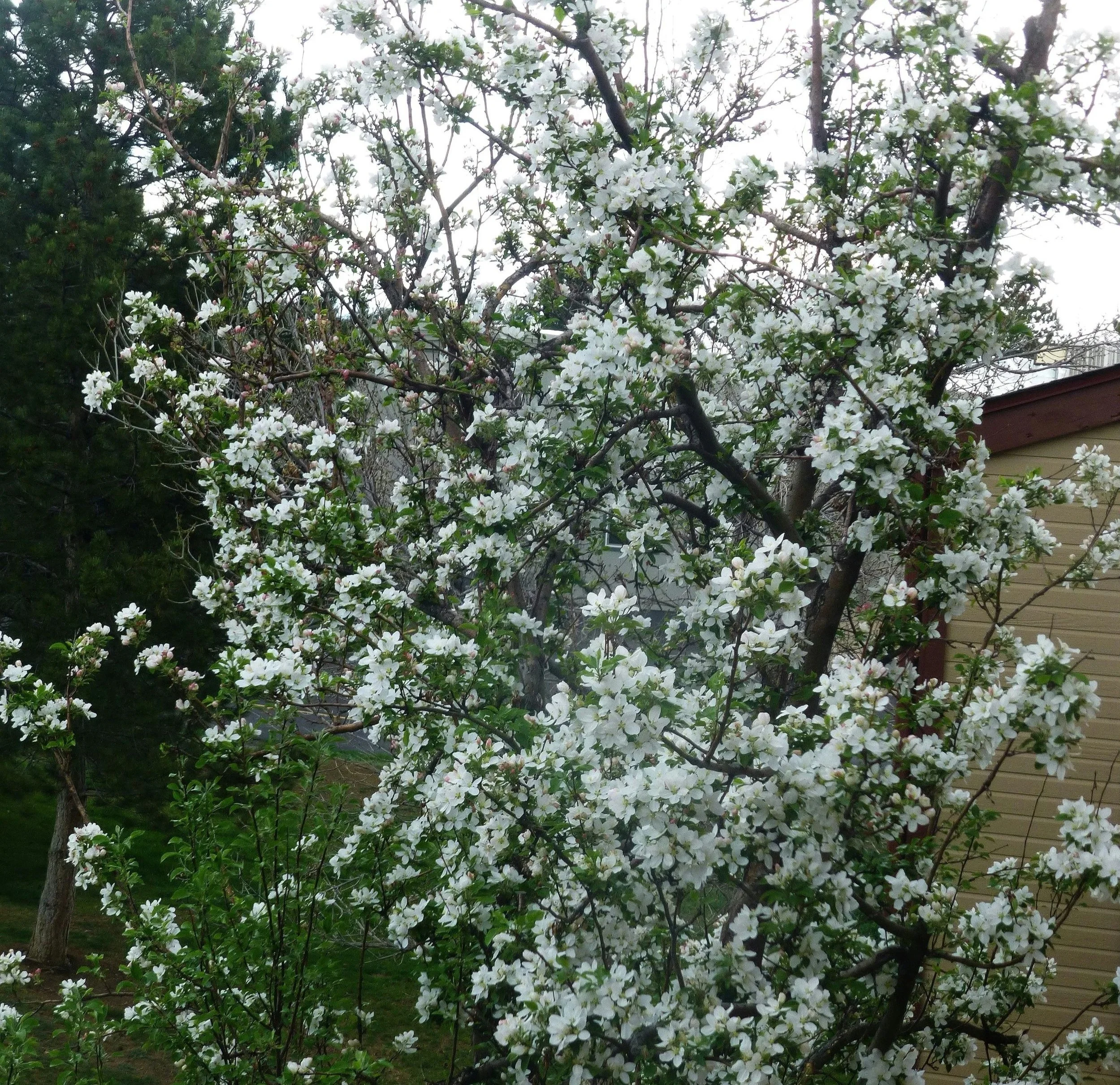
April is when your landscape really starts to come back to life and it’s also when a lot of homeowners start wondering what their trees actually need. Between pruning and planting, it can feel a bit overwhelming, but this is the perfect time of year to tackle both.
In early spring, it is a great time to prune many trees, especially shade trees and species that bloom later in the season. With leaves not fully developed yet, it’s easier to see the structure of the tree and remove dead, damaged, or crossing branches. This not only improves the tree’s appearance but also promotes healthy growth going into the warmer months.
That said, not all trees should be pruned in April. Spring-flowering trees like dogwoods and cherries have already set their buds, so pruning them now can reduce or eliminate this year’s blooms. For those, it’s best to wait until after they flower. When in doubt, it’s always a good idea to have a professional take a look before making major cuts.
April is also one of the best times to add new trees to your landscape. And if you’re planting, going native is one of the smartest choices you can make. Native trees are adapted to our local soil and climate, which means they typically require less maintenance, less watering, and are more resilient overall. Even more importantly, they play a huge role in supporting local wildlife. Native trees provide food and habitat for insects, birds, and pollinators, something non-native species often can’t do nearly as well.
If you’re not sure where to start, this is a great resource to explore different options for our area. You’ll find a wide range of trees suited for different conditions. Everything from smaller understory trees like serviceberry and redbud to larger shade trees like oak and tulip poplar.
Combining thoughtful pruning with strategic planting sets your landscape up for success. By removing what your trees don’t need and adding species that truly belong here, you’re creating a healthier, more resilient yard for the long run.
If you’re unsure where to start, April is the perfect time to have your trees evaluated and make a plan for the season ahead.