
How to Mulch
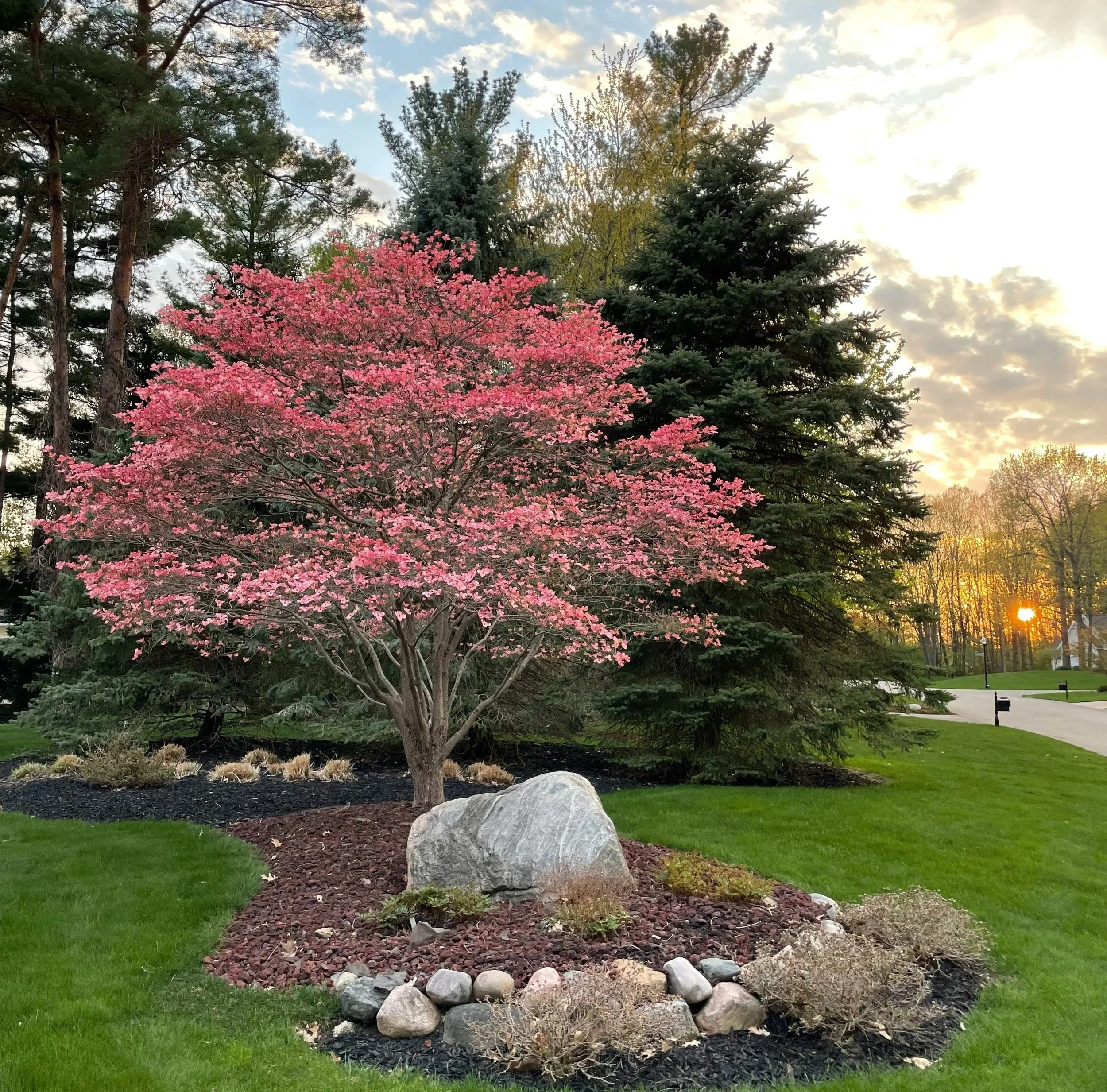
As the weather warms up and landscapes across Northern Virginia come back to life, spring is the perfect time to give your trees a little extra care and one of the simplest, most effective things you can do is mulch. Done correctly, mulching helps trees thrive. Done incorrectly, it can actually cause harm.
Mulch acts like a protective blanket for your tree’s root system. It helps retain moisture in the soil, regulate temperature as spring turns into summer, and suppress weeds that compete for water and nutrients. In a region like ours, where spring weather can swing between heavy rains and dry spells, mulch plays a key role in keeping conditions around your tree stable.
One of the most common mistakes we see is “volcano mulching,” which is piling mulch high up against the trunk of the tree. While it might look neat, it can lead to serious issues like rot, disease, and pest problems. Trees need to breathe at the base, and excess moisture trapped against the trunk creates the perfect environment for decay.
Instead, aim for a wide, flat mulch ring around the base of the tree. A good rule of thumb is 2–3 inches of mulch spread evenly in a circle, ideally extending out to the tree’s drip line if possible. Just be sure to keep the mulch a few inches away from the trunk itself.
The type of mulch you use matters, too. Organic mulches like shredded hardwood or bark are ideal because they break down over time and improve soil health. As they decompose, they add valuable nutrients back into the soil, supporting long-term tree growth.
Spring is also a great time to refresh old mulch. If last year’s layer has broken down, compacted, or thinned out, adding a fresh layer can restore its benefits. Just be careful not to overdo it, more isn’t better when it comes to mulch depth.
At the end of the day, mulching is one of those small things that makes a big difference. It helps your trees handle stress, supports healthy growth, and keeps your landscape looking clean and well cared for.