
Protecting Wildlife Habitats
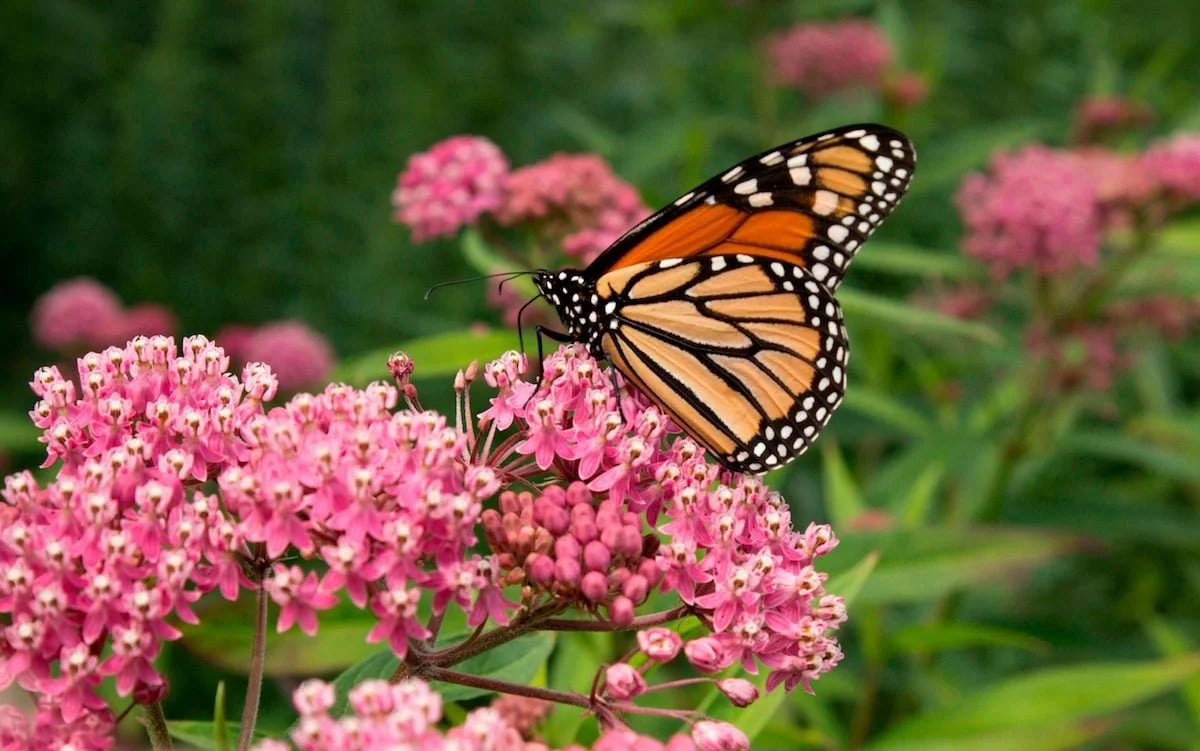
Few insects are as recognizable — or as beloved — as the monarch butterfly. With its bright orange wings and remarkable migration spanning thousands of miles, the monarch has long been a symbol of resilience and the changing seasons. Unfortunately, this precious symbol is now at serious risk.
While monarch butterflies are not officially listed as endangered, their population numbers tell a troubling story. Scientists estimate that the eastern monarch population has declined by nearly 80%, while the western population has dropped by more than 95% since the 1980s. Some projections suggest western monarchs face a greater than 99% chance of extinction by 2080 if current trends continue.
Because of these alarming declines, the U.S. Fish and Wildlife Service has proposed listing the monarch butterfly as an endangered species under the Endangered Species Act. A final decision has been delayed, but the proposal itself highlights how serious the situation has become. The goal of the proposed rule is not only to protect monarchs, but to encourage large-scale habitat restoration across the country before it’s too late.
So, what’s causing the decline?
The biggest factor is habitat loss — especially the loss of milkweed. Milkweed is the only plant monarch caterpillars can eat. No milkweed means no baby monarchs. And without baby monarchs, there are no future generations.
Development, routine mowing, invasive plants, and the widespread use of herbicides have dramatically reduced native habitat. As these landscapes disappear, monarchs are left with fewer places to lay eggs, feed, and rest during their long migration.
The good news is that this is something we can help change.
Planting native milkweed and nectar-producing plants in yards, parks, schools, and community spaces can make a meaningful difference. Even small plantings can serve as critical “stepping stones” that support monarchs and other pollinators along their journey.
At Donegan’s Tree Service, we believe caring for trees and landscapes goes hand-in-hand with protecting wildlife habitats. Through invasive species management, native plant preservation, and thoughtful land stewardship, property owners can play an important role in conservation.
To learn more about the monarch butterfly and the proposed endangered species rule, visit the U.S. Fish and Wildlife Service page.
Saving the monarch won’t happen overnight, but together we can help ensure this iconic butterfly continues to grace our landscapes for generations to come.