
Helping Trees Thrive Through August Heat
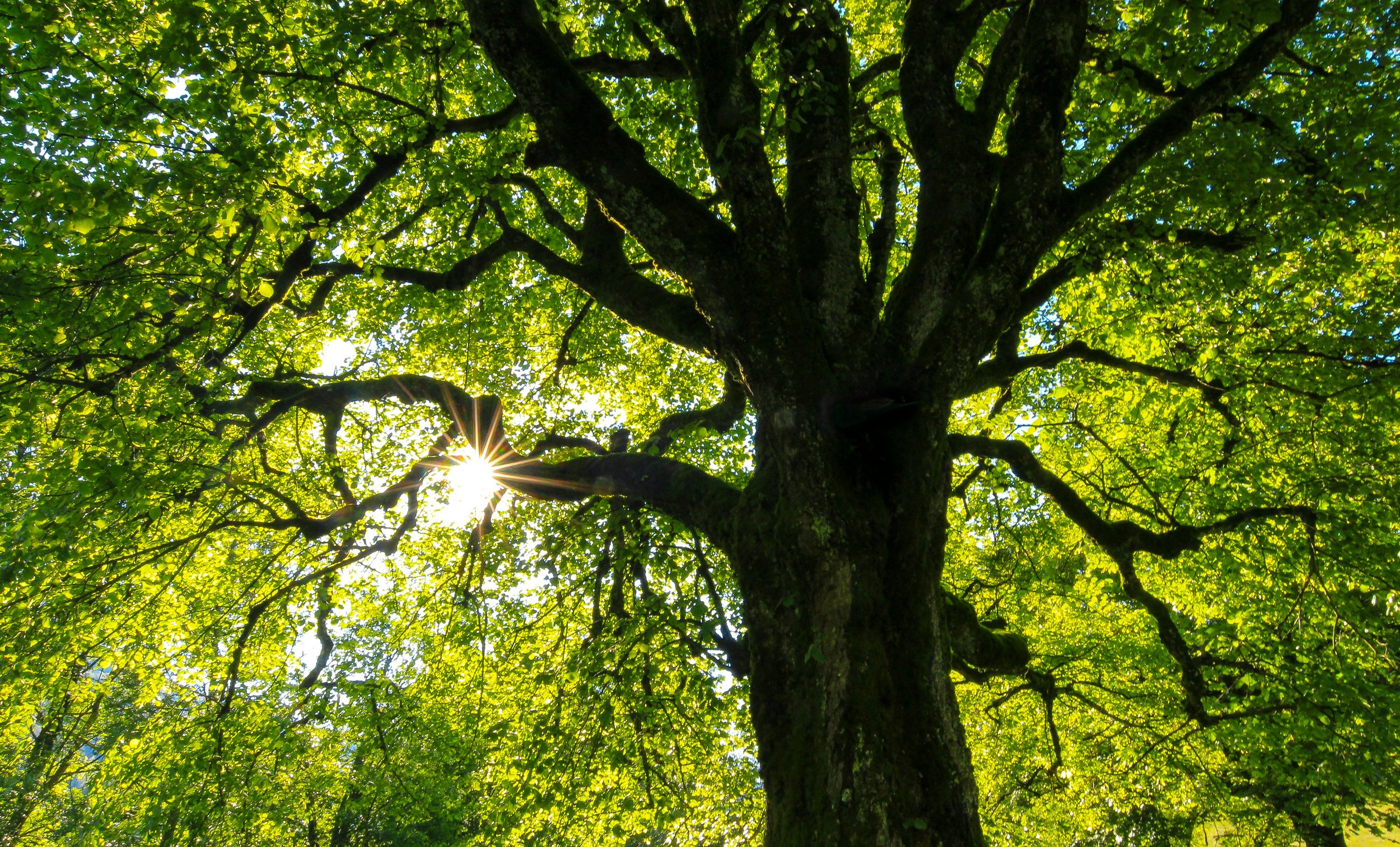
August is often one of the hottest and driest months of the year. While we may head indoors to escape the heat, our trees don't have that luxury. Established trees are generally tough, but long stretches of hot weather and little rainfall can take a toll on even healthy looking trees.
One of the first signs of heat or drought stress is leaves that begin to wilt, curl, or develop brown edges. Some trees may even start dropping leaves weeks before fall arrives. While early leaf drop can be alarming, it's often a tree's way of conserving water. However, if large branches begin dying back or an entire section of the canopy appears thin, it's worth having the tree evaluated.
Young trees are especially vulnerable because their root systems haven't had time to spread. Newly planted trees typically need more frequent watering during the first few years, especially during extended dry spells.
The good news is there are a few simple things we can do to help our trees through the summer:
Water deeply instead of lightly. A slow, deep soaking encourages roots to grow deeper into the soil.
Add a layer of mulch around the base of the tree to help the soil retain moisture and regulate temperature. Just remember to keep the mulch a few inches away from the trunk—don't create a "mulch volcano."
Avoid unnecessary pruning during periods of extreme heat. Leaves provide shade for the tree and help produce the energy it needs to recover from stress.
Keep an eye out for changes. Heat stress can make trees more susceptible to insects and diseases, so catching problems early is always beneficial.
It's also important to remember that not every tree responds to drought the same way. Some species are naturally more tolerant of dry conditions, while others may struggle after just a few weeks without adequate rainfall.
If you're unsure whether your tree is simply stressed or showing signs of a more serious problem, a professional inspection can provide peace of mind. Identifying issues early often means more options for treatment and a better chance of keeping your tree healthy for years to come. With proper watering and care, your trees will be in much better shape heading into the fall season.